KIBARtronik at E-Waste World 2026: Trends, Technologies and New Impulses for the Circular Economy of Electronics
Late June 2026 • Messe Frankfurt
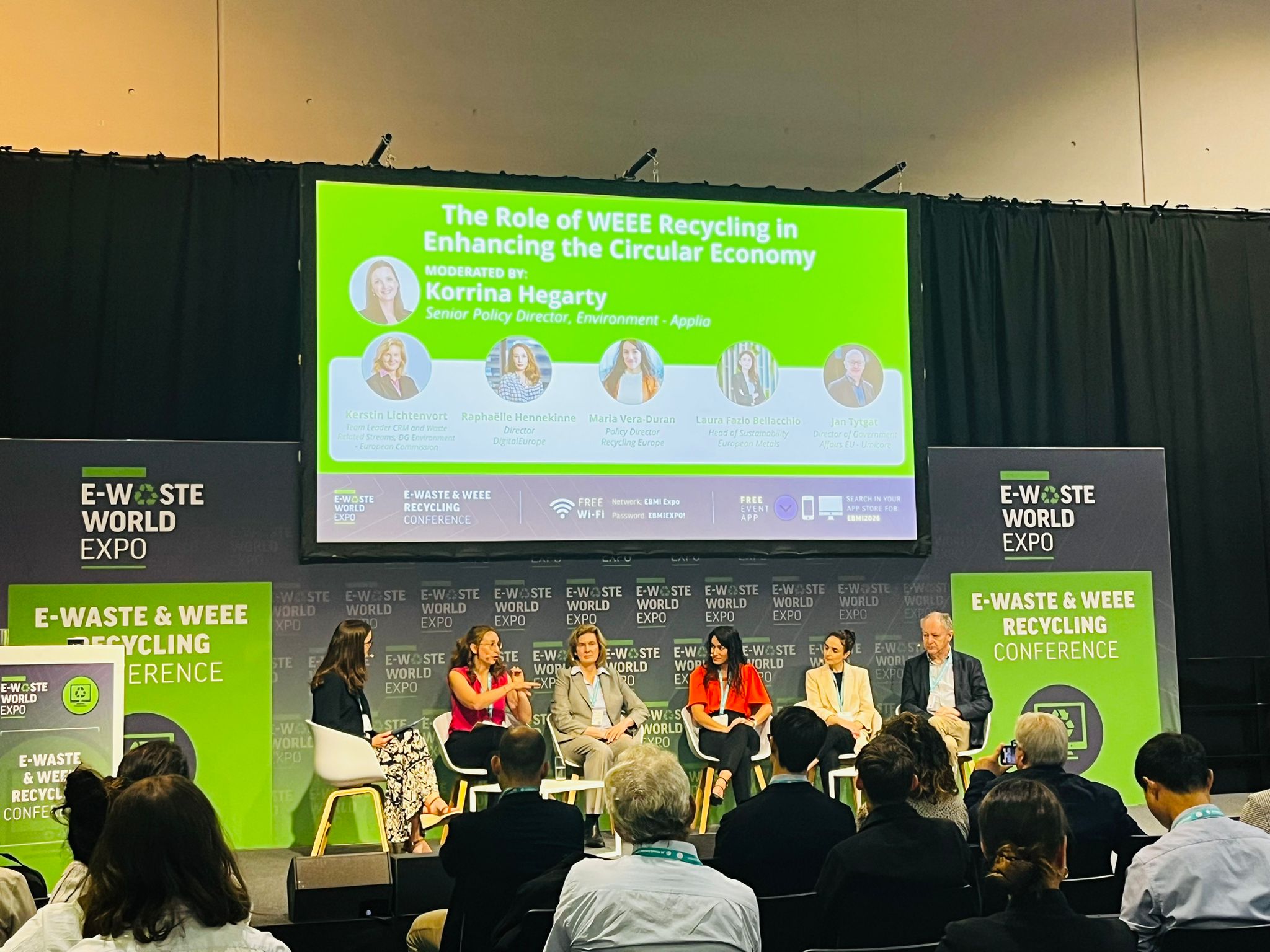
More than 400 exhibitors show the future of Circular Electronics
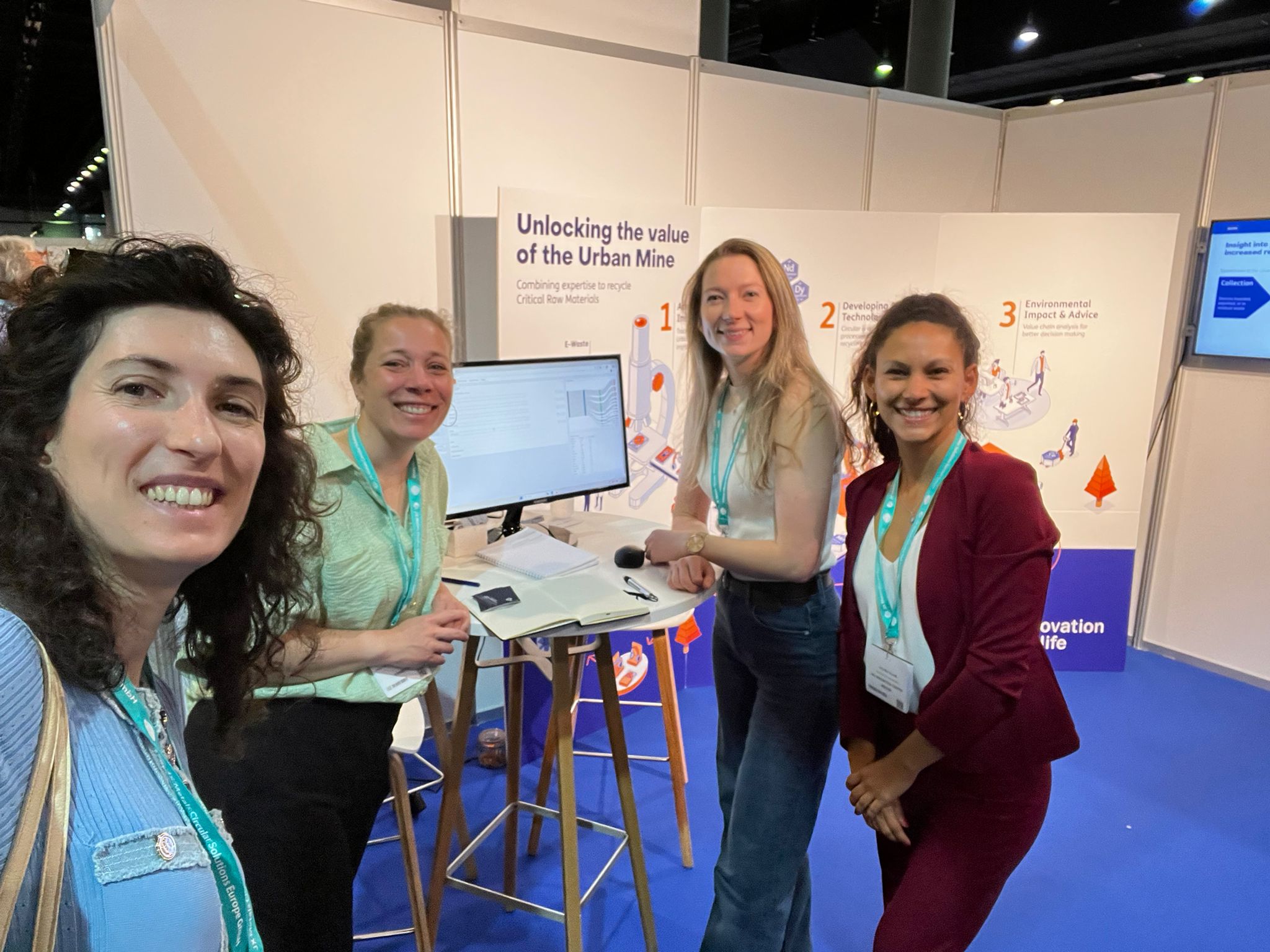
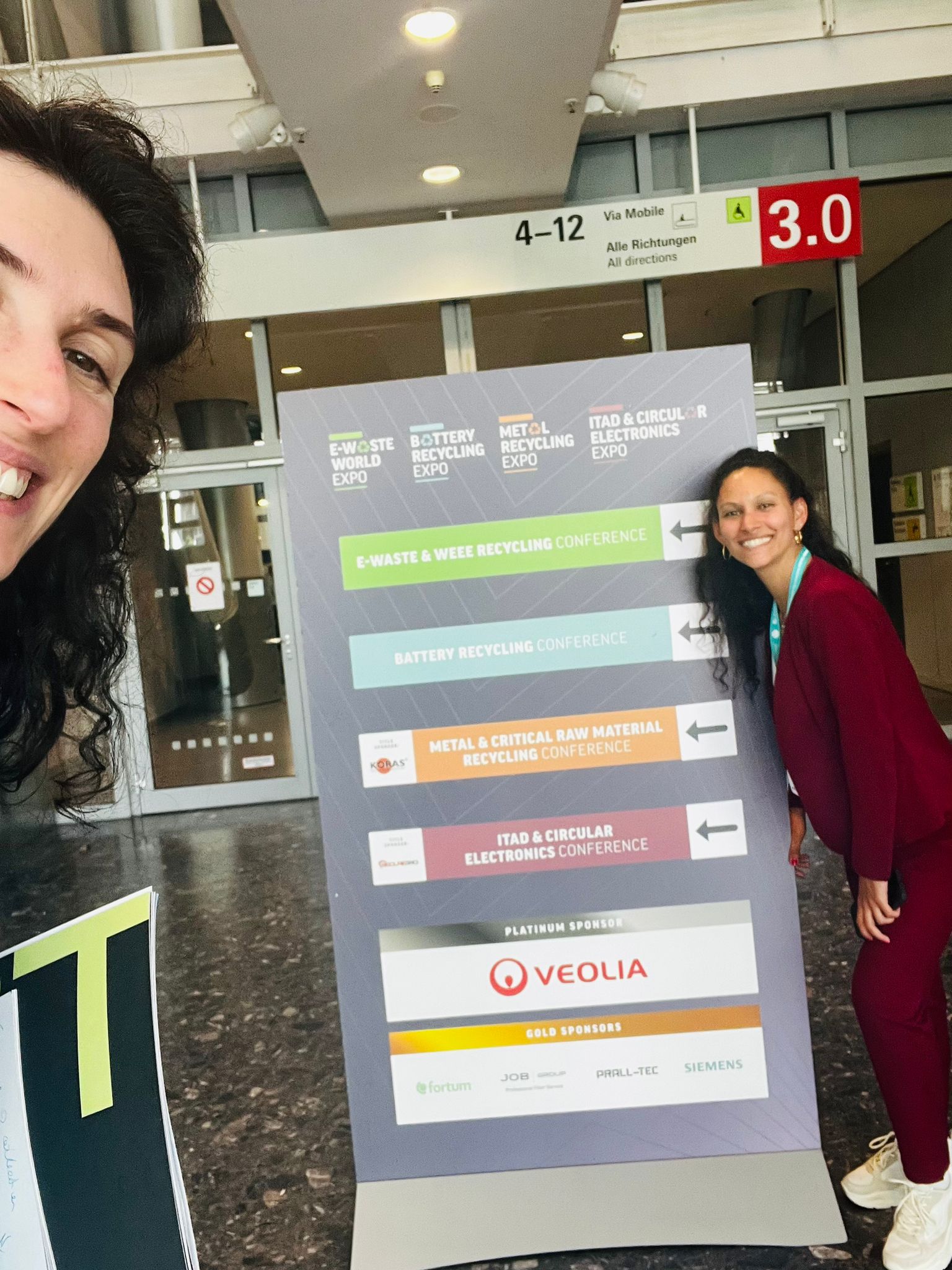
In late June, the KIBARtronik team visited the E-Waste World, Battery Recycling & Metal Recycling Expo 2026 in Frankfurt. With more than 400 exhibitors, the event is one of the most important European meeting points for companies, research institutions and technology providers along the value chain of electronics, batteries and critical raw materials.
For the KIBARtronik project, the expo offered the opportunity to learn firsthand about current developments in the areas of electronics recycling, reuse, repair, digitalization and artificial intelligence, and to discuss them with leading players in the industry.
The focus was in particular on the following questions:
- Which technologies are used today to sort and evaluate electronic waste?
- What role do digitalization and AI play along the recovery chain?
- Which materials and components will gain importance in the future?
- How can reuse, repair and recycling be better interlinked?
You can find more information about the event on the official page: ewaste-expo.com
Value retention before recycling: ReUse and refurbishment gain importance
A central theme of many conversations was the growing importance of reuse, repair and refurbishment strategies. While recycling continues to play an indispensable role in the circular economy, it is becoming increasingly clear that keeping products and components in use for as long as possible often offers the greatest ecological and economic value.
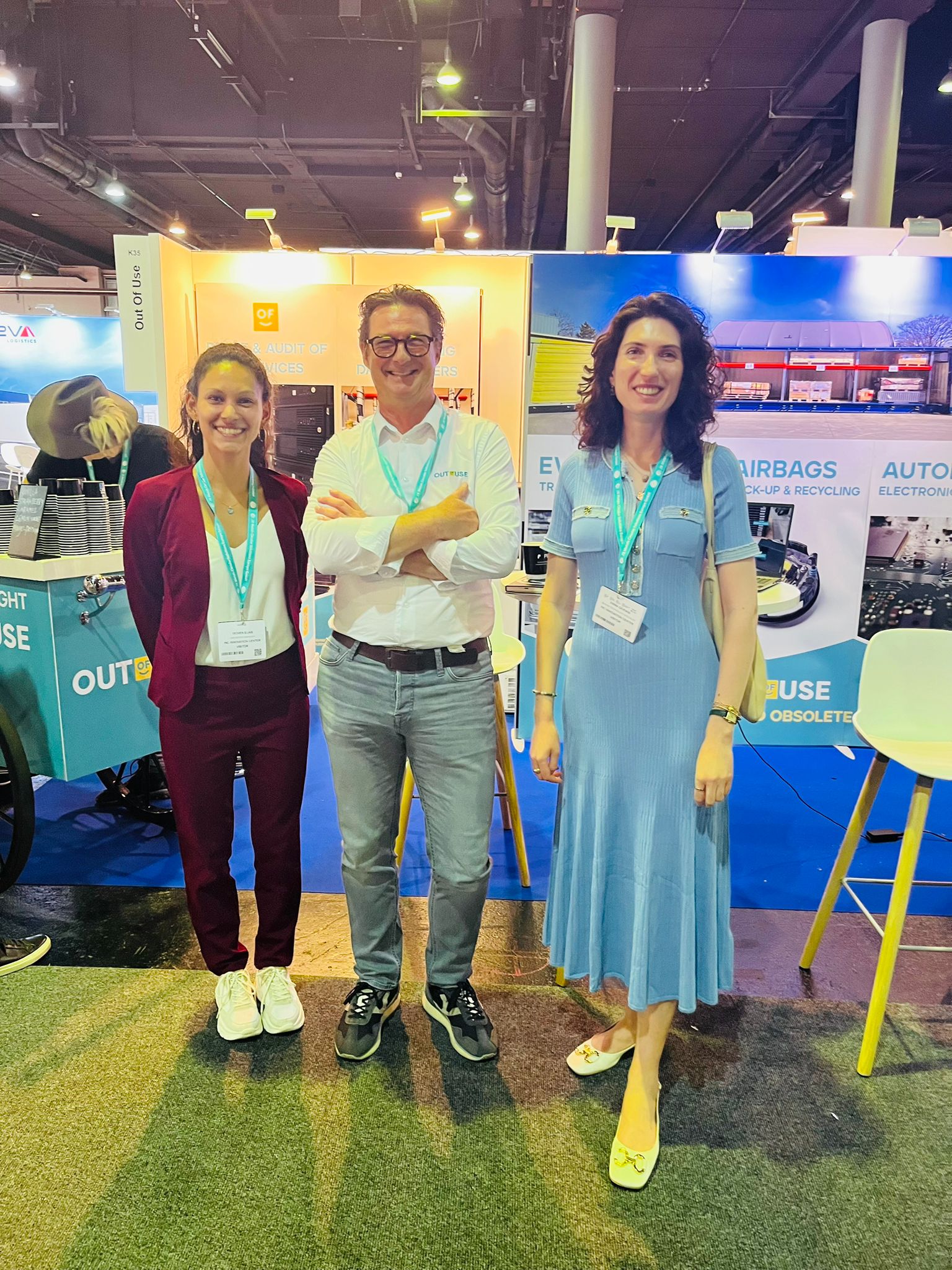
The conversations with the companies Out of Use and eco-remarketing were particularly exciting. Among other things, approaches to the dismantling of data center infrastructure, the reuse of IT hardware, and testing and repair processes were discussed.
Digitalization as a key to better decisions
Another important topic of the expo was the increasing digitalization of recovery and recycling processes. Many companies are investing in solutions to track material flows, document product information and support operational decisions. At the same time, it became clear that the availability and quality of data along the value chain continues to represent a central challenge.
Especially in the area of electronics take-back and evaluation, there is great potential to make greater use of digital information for decision-making in the future. This concerns, for example, the assessment of residual values, the estimation of repairability, or the identification of valuable components and materials.
AI and automated sorting: Great potential, first applications
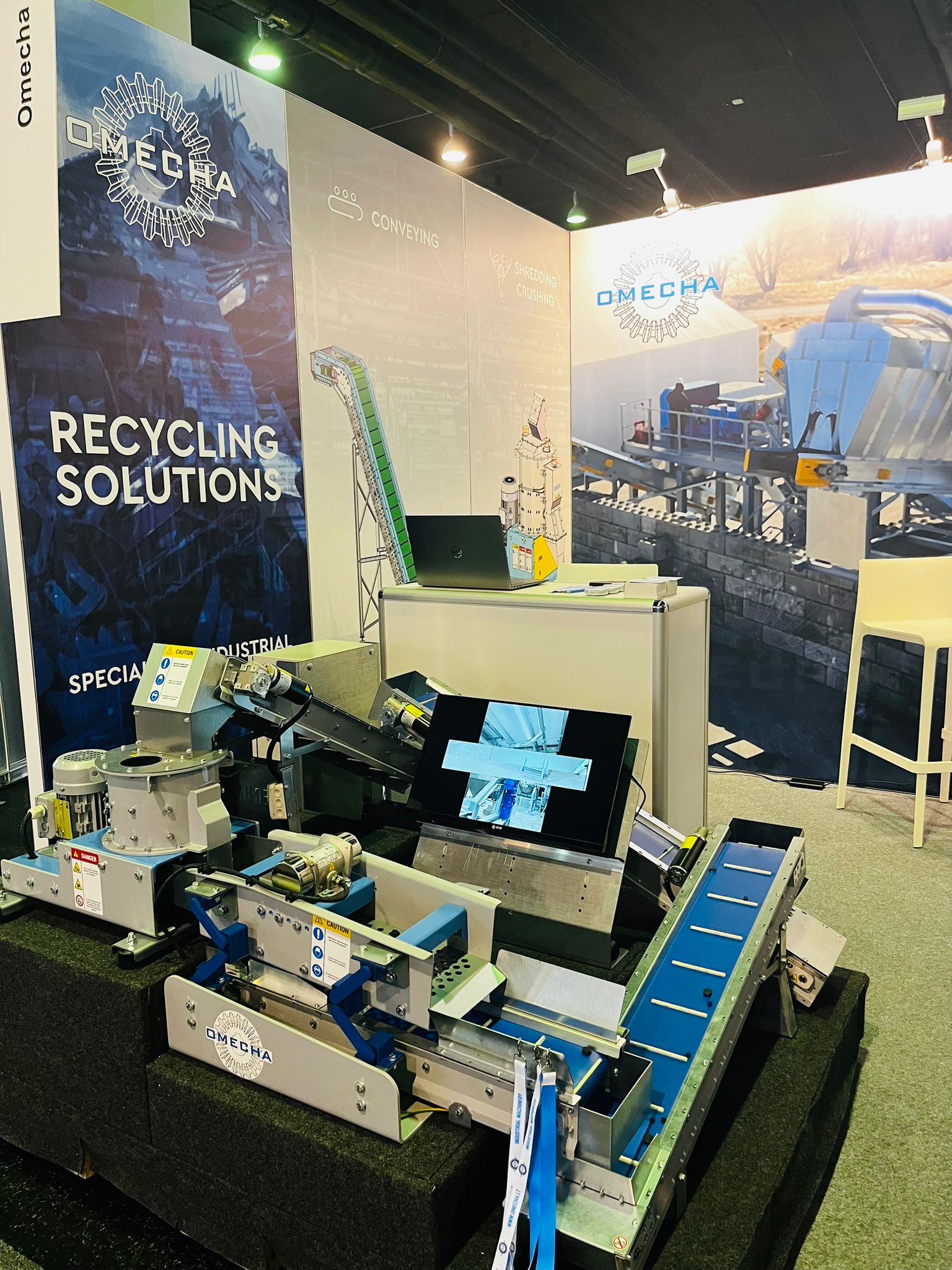
Even though artificial intelligence is not yet widely used in the industry, first promising applications were visible. Several companies presented AI-supported systems for material recognition, automated sorting and process optimization. At the same time, it became apparent that many existing solutions have so far been primarily geared toward material fractions after mechanical processing.
Critical raw materials move further into focus
The recovery of critical raw materials was one of the dominant topics of the expo. In addition to established recyclables such as copper, gold and silver, strategically important materials were increasingly in focus. These include, among others, rare metals, battery raw materials and magnetic materials that are needed for numerous future technologies.
At the same time, it became clear that the industry is working intensively to increase recovery rates and develop new technologies for processing complex material flows.
Conclusion: The circular economy for electronics continues to evolve
E-Waste World 2026 showed that the circular electronics industry is in an exciting transformation phase. In addition to classic recycling technologies, topics such as reuse, repair, digital product information and data-driven decision support are gaining increasing importance.
For the KIBARtronik project, the numerous conversations and impressions confirmed the relevance of the chosen approach. The combination of digitalization, AI and circular economy offers great potential to make the evaluation and recovery of electronic devices more efficient, transparent and resource-efficient in the future.
We would like to thank all discussion partners for the valuable exchange and look forward to incorporating the insights gained into our further project work.
Impressions from the expo