From Manual Expertise to Intelligent Circularity: KIBARtronik Visits ZME Recycling
17. September 2026 • Hessen, Deutschland
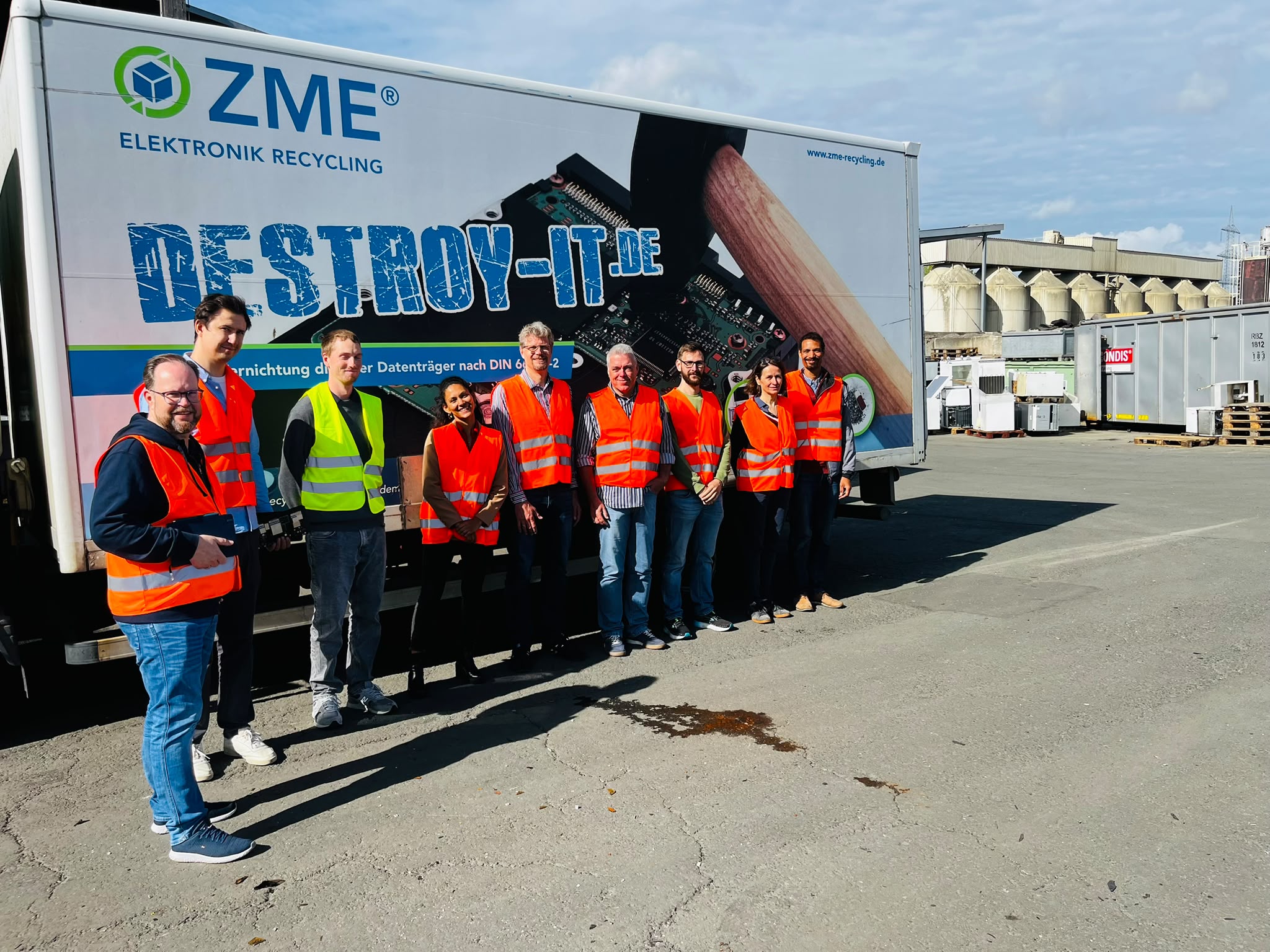
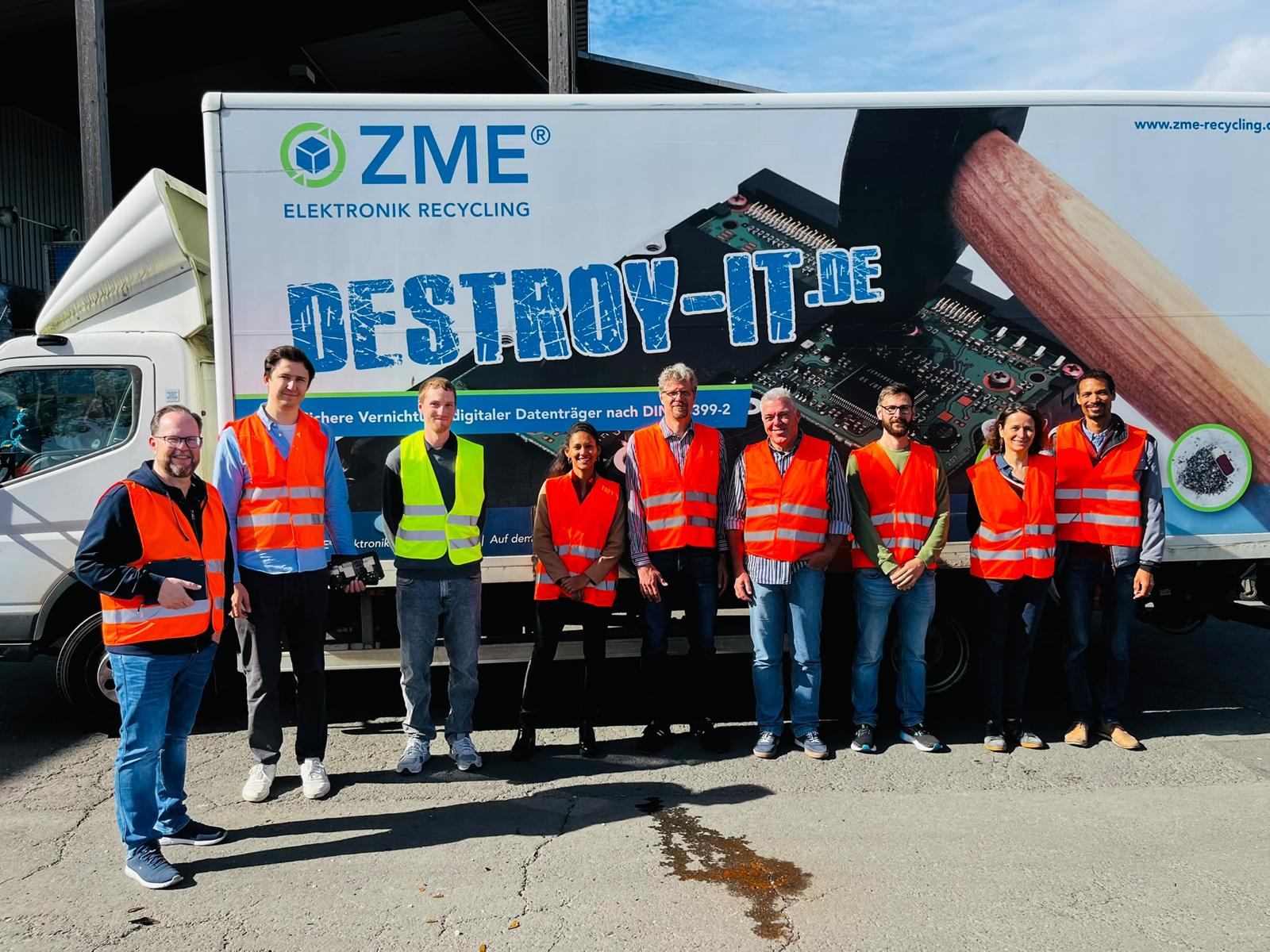
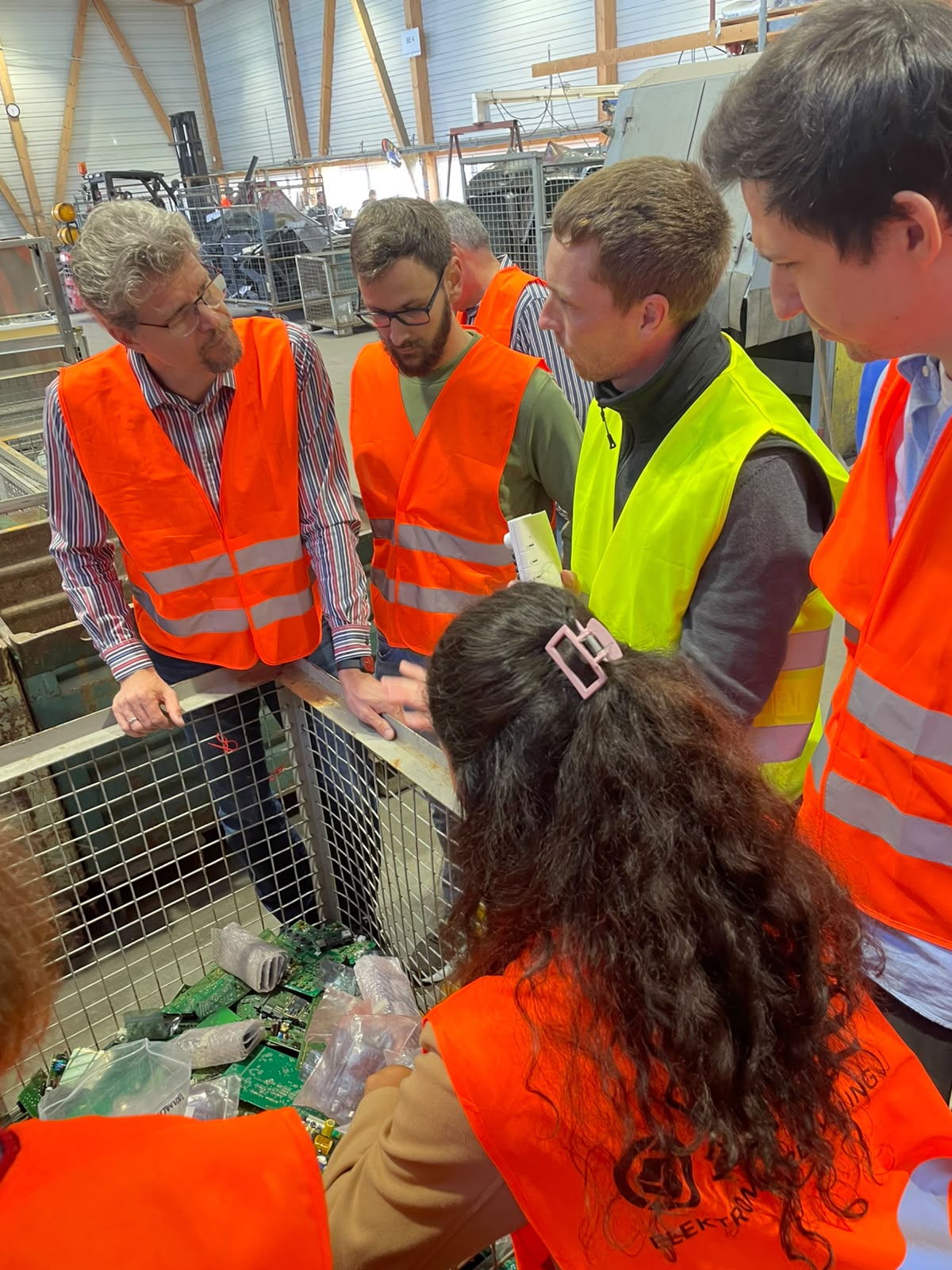
The KIBARtronik project team recently visited the facilities of our implementation partner, ZME Elektronik Recycling GmbH, in Hessen, Germany. Bringing together representatives from INC Innovation Center GmbH, Fraunhofer IIS, Sagemcom, and ZME Recycling, the visit provided a valuable opportunity to observe real-world electronics recycling operations and discuss how digital technologies can support more efficient resource recovery.
The Human Expertise Behind Electronics Recycling
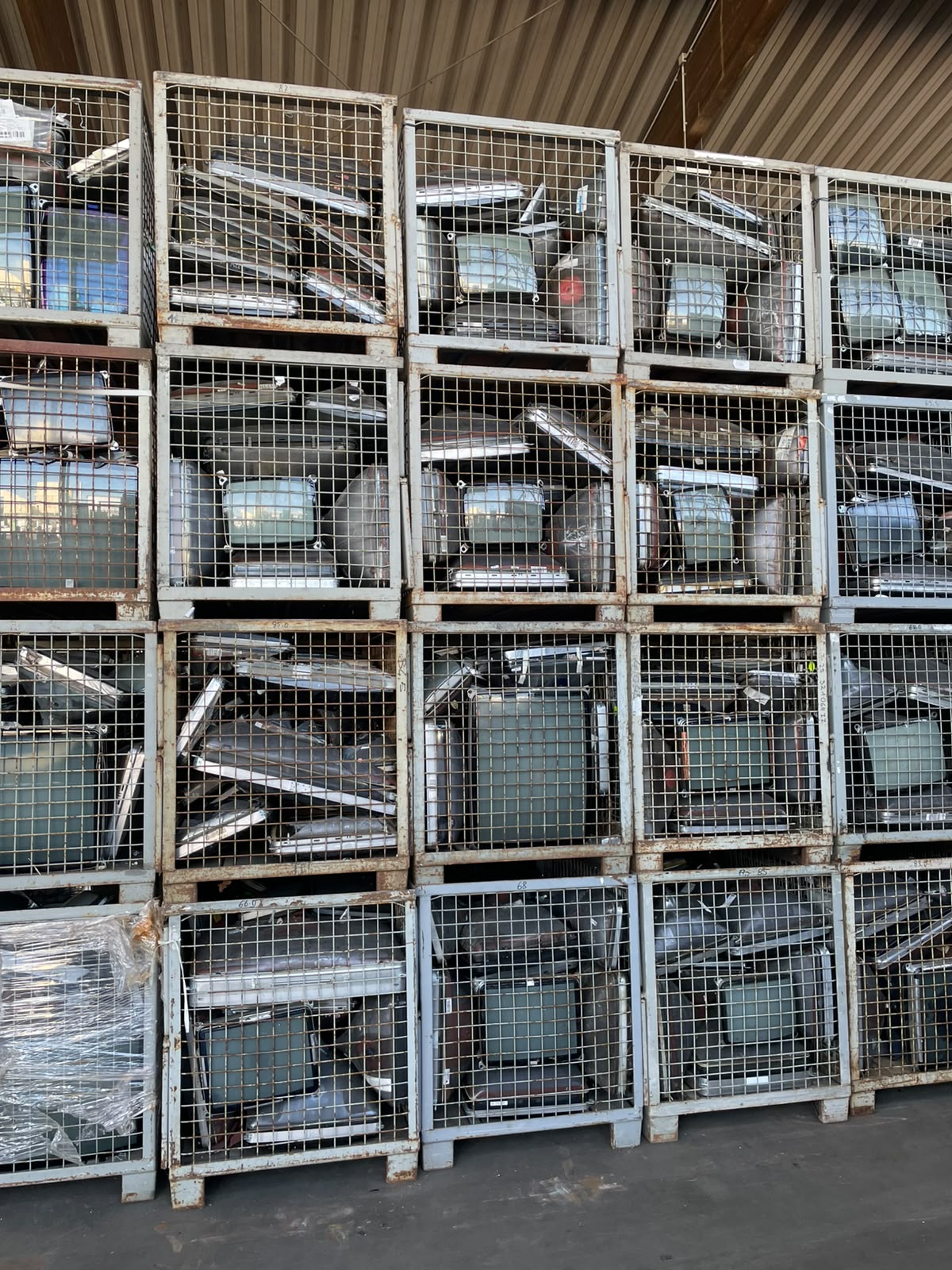
Every day, large quantities of end-of-life electronic devices arrive at ZME's facilities from municipal collection points, households, and industrial customers. Before these products can enter material recovery processes, they must first be carefully inspected, sorted, and dismantled.
One of the most impressive observations during the visit was the exceptional expertise of the recycling specialists working on site. Through years, and often decades, of hands-on experience, these professionals can quickly assess a wide range of devices, identify valuable material fractions, spot reusable components, and detect potentially hazardous elements such as lithium-ion batteries. Their knowledge plays a crucial role in ensuring both worker safety and high-quality material recovery.
The visit highlighted just how dependent today's recycling operations remain on human judgment and experience.
While current processes are highly effective, they also require considerable manual effort and can be challenging to scale as growing volumes of electronic waste enter the recycling system.
Addressing a Growing Challenge
Electronic waste is one of the fastest-growing waste streams worldwide.
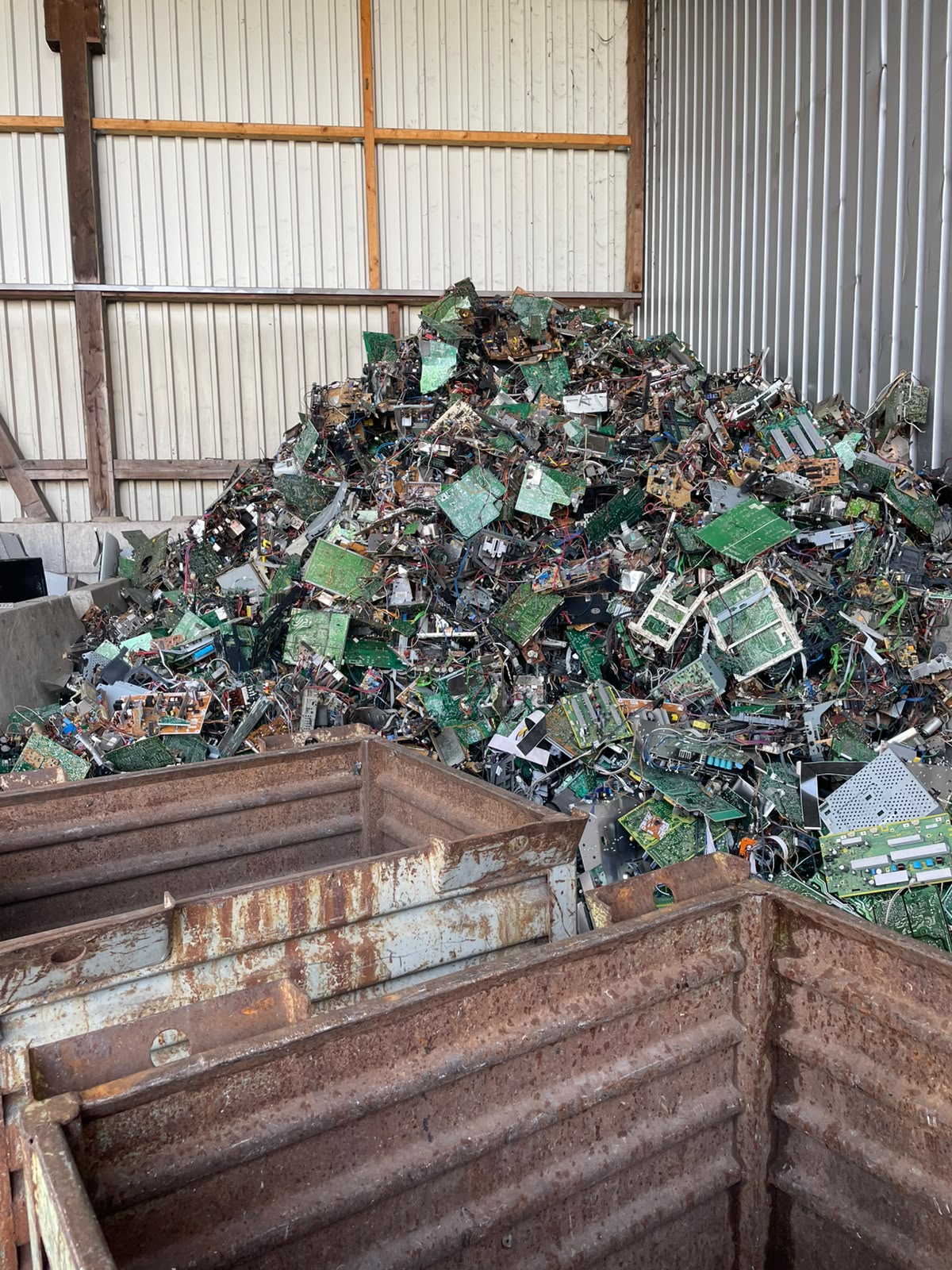
At the same time, many electronic devices contain valuable materials, including copper, aluminium, rare earth elements, and other critical raw materials that are essential for Europe's green and digital transitions.
Recovering these materials efficiently requires accurate identification and classification of products and components before they enter recycling processes. Even small improvements in sorting quality can contribute to higher recovery rates, increased economic value, and lower environmental impacts.
This challenge lies at the heart of the KIBARtronik project.
How KIBARtronik Can Support Recycling Operations
During the visit, consortium members discussed how the KIBARtronik solution could complement the expertise already present on the sorting line.
It can do this through AI-assisted identification, classification, and decision support capabilities.
Rather than replacing human expertise, the project's vision is to augment it. By combining advanced digital technologies with the knowledge of experienced recycling professionals, KIBARtronik aims to help operators make faster and more informed decisions when handling complex waste streams.
Potential benefits include:
- More accurate classification of electronic products and components.
- Faster identification of valuable and reusable materials.
- Improved detection of hazardous components requiring special handling.
- Increased operational efficiency and throughput.
- Better recovery of critical raw materials and other valuable resources.
Ultimately, these improvements could generate both economic and environmental benefits while supporting the transition towards a more circular economy.
Learning from Real-World Operations
A core objective of KIBARtronik is to develop solutions that address genuine industrial needs. Visiting operational recycling facilities is therefore an essential part of the project's development process.
By observing day-to-day challenges directly and engaging with recycling professionals, project partners gain insights that help ensure that technological developments remain firmly aligned with practical requirements.
These exchanges also create opportunities to identify new use cases, validate assumptions, and explore how future solutions can integrate seamlessly into existing workflows.
The consortium would like to thank the entire ZME team for their warm welcome, openness, and willingness to share their expertise. Their insights will play an important role in shaping the next stages of the KIBARtronik project.
Looking Ahead
As KIBARtronik continues to advance, close collaboration between technology developers, industrial partners, and recycling specialists will remain central to the project's success.
The visit to ZME demonstrated that the future of electronics recycling lies not only in innovative technologies, but also in supporting and enhancing the expertise of the people who make circular resource recovery possible every day.